PH
PH  EN
EN  FR
FR  ES
ES  JA
JA  KO
KO  PT
PT  ZH
ZH  AR
AR  FA
FA  RU
RU  NL
NL  MS
MS  VI
VI  TH
TH  ID
ID 

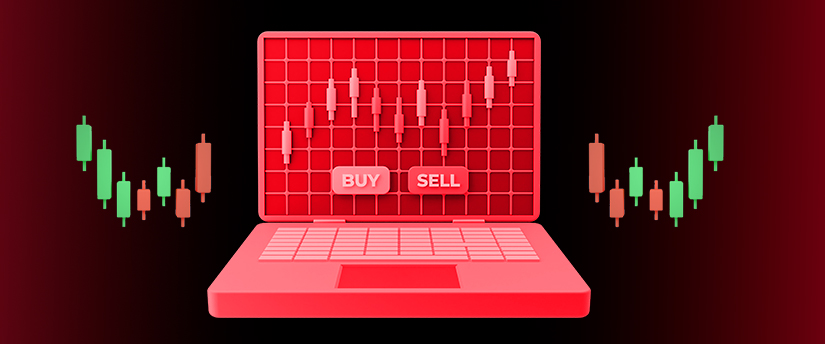
The merkado ng forex, also known as foreign exchange, FX or currency market, is where currencies are traded. In other words, participants buy, sell or exchange currencies to hedge against international currency or to speculate on price movements and geopolitical events.
The forex market is huge, and its daily turnover jumped from $6.6 trillion in 2019 to $7.5 trillion in April 2022. This growth makes it the most liquid market in the world. Forex attracts everyone—from central banks to small individual investors—because it offers the chance to profit from currency movements linked to the global economy.
If you want a direct way to participate in the global economy, you can do it by trading in the forex market.

How the forex market works
The forex market sets the daily value, or exchange rate, for most of the world’s currencies. The amount of euros you receive when converting dollars depends on the current rate. For example, if the price of imported French cheese rises overnight in a US supermarket, the euro may have increased in value compared to the US dollar.
Forex traders aim to profit from the ongoing changes in currency values. For instance, a trader may believe that the value of the British pound will increase. He or she will convert dollars into pounds. If the pound rises in value, the trader can reverse the trade and receive more dollars in exchange for it.
Characteristics of the forex market
This global marketplace is an over-the-counter (OTC) with no central location. Instead, participants from all over the world trade electronically through computer networks between them in a more direct way. This more or less makes the market available to anyone with access to the internet.
Foreign exchange markets are seen to be more transparent than other pampinansyal na merkado. In OTC markets, where currencies are exchanged, disclosures are not required. Huge liquidity pools from institutional corporations are a regular phenomenon in the market.
It’s important to remember that the forex market operates 24 hours a day, from Monday morning in Asia until Friday afternoon in New York. When the trading day ends in the United States, markets in Tokyo and Hong Kong open immediately. Because of this continuous cycle, the currency market can stay active at any moment, and price quotes can change constantly.
Today, trading is as easy as the click of a mouse and the forex market is accessible from everywhere around the globe. The majority of brokerages allow individuals to trade forex through their trading platforms.
Types of forex markets
trading ng forex is typically traded through spot markets, forward markets, and futures markets. Since it is the “underlying” asset on which forward and futures markets are based, the spot market is the largest of the three.
When individuals talk about the forex market, they typically mean the spot market. Companies or financial institutions that need to hedge their foreign exchange risks out to a specified date in the future are more likely to use the forwards and futures markets.
Who trades in the forex market?
As mentioned earlier, the foreign exchange market is the place where traders exchange currencies. It also serves as a hub for continuous, around-the-clock forex trading. In the past, large banks and institutional corporations dominated this market and traded on behalf of their clients. However, the landscape has changed. Retail traders now participate in growing numbers, and investors of all sizes have entered the market.
All in all, banks, commercial companies, investment firms, hedge funds, retail FX brokerages and individual traders participate in the foreign exchange market.
Banks
Central banks, which represent their country’s government, are key players in the FX market. Their market activities and interest rate policies significantly impact currency rates. A central bank is in charge of determining the value of its currency in the forex market. This is the exchange rate system under which the country’s currency will be traded in the open market.
Central banks act in the foreign exchange market to maintain or improve their country’s economic competitiveness. They use currency interventions when they want a currency to appreciate or depreciate. During long periods of deflation, a central bank may weaken its currency by increasing its supply and using that supply to buy foreign currency. This approach lowers the value of the local currency and increases the competitiveness of exports in global markets.
These tactics are employed by central banks to reduce inflation. These also act as long-term indicators for forex traders.
Hedge funds & investment firms
Next to banks and central banks, this category makes up the second-largest group of participants in the currency market.
To trade foreign assets, an investment manager with a global portfolio will need to buy and sell currencies. While some hedge funds conduct speculative currency trading as part of their investment strategies, investment managers may also engage in such activity.
Companies
Companies that import and export goods execute currency transactions to pay for products and services. Consider a German solar panel manufacturer as an example. The company imports US components and sells the finished panels in China. After each sale, the manufacturer converts the Chinese yuan it receives into euros through the forex market. It then exchanges those euros for US dollars to buy more components.
Businesses also trade forex to mitigate the risk involved with currency conversions.
Individual Traders
In comparison to financial companies and organisations, the amount of forex trades conducted by ordinary investors is quite low. Yet, its popularity is fast increasing.
Retail investors base currency transactions on a combination of fundamentals including interest rate parity, inflation rates, and monetary policy expectations as well as technical factors such as support, resistance, technical indicators or price patterns.
Reasons to trade forex with IronFX
Individual traders can trade forex through IronFX’s MetaTrader 4 trading platform which allows traders, regardless of their level of expertise, to put their strategies to the test. They also get to access more than 500 tradable instruments across 6 asset classes including shares, indices, forex, futures, metals and commodities.
Flexible leverage, tight spreads, fast execution and copy trading are other benefits of trading with IronFX. Last but not least, daily market research and analysis as well as updated educational material are always available.
Disclaimer:
This information is not considered investment advice or an investment recommendation, but instead a marketing communication. IronFX is not responsible for any data or information provided by third parties referenced or hyperlinked, in this communication.