KO
KO  EN
EN  FR
FR  ES
ES  JA
JA  PT
PT  ZH
ZH  AR
AR  FA
FA  RU
RU  NL
NL  MS
MS  VI
VI  PH
PH  TH
TH  ID
ID 

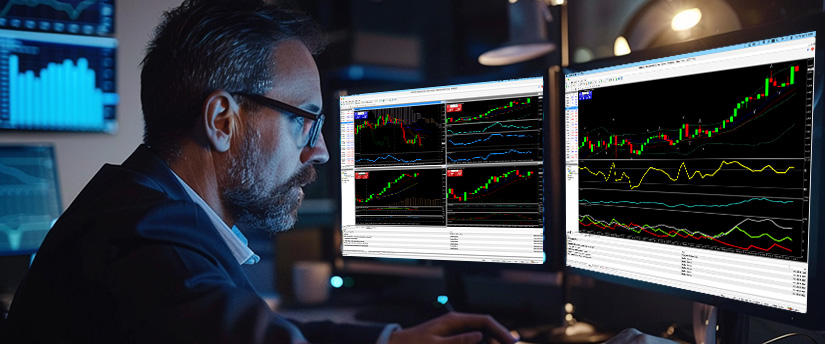
Emotions drastically impact trading performance, and in a way that’s not always obvious. Emotions influence your trading more than most traders realise, often without them even noticing it.
Emotional trading is the most common pitfall for traders, as it overwhelms strategic thinking and lures them into reckless behaviour.
It’s a common misconception that good traders feel emotions. They do. However, they’ve worked on recognising, accepting, and dealing with these emotions in a way that limits the adverse effect on their trading.
Strong emotional reactions to trading are completely normal. When real money is on the line, fast price movement can be very frightening. Even the most hardened traders don’t necessarily feel great after a market shake-up.
However, it’s important to know that emotional management is a skill. Like any skill, it needs to be understood and learned to be effectively executed.
This article will help you understand trading emotions and how they can affect you as a first step towards thinking more strategically.
Why emotions influence your trading in forex and CFD markets
While all trading is emotional, CFD trading magnifies that with a couple of unique quirks.
Mobile trading platforms have become commonplace. As such, traders have constant access, creating a feeling that they are missing out if they aren’t constantly participating in the market. This can lead to FOMO, and creates mental exhaustion, making it easier to fall into emotional trading patterns.
Most CFD traders are also short-term traders. This alone increases pressure, as most decisions need to be made in a snap, where emotions can well up instantly and take over.
Finally, leverage causes all wins and losses to be magnified. This increases risk on both sides. Those big wins can be alluring, creating a “high” that traders can begin to yearn for.
On the other hand, the potential of amplified losses creates more apprehension when it comes to making decisions, and when suffered, can lead to strong emotional reactions.
The most common trading emotions and how they influence your trading
으로 understand the basics of emotional trading, we must first understand the most common emotions and patterns traders fall into.
공포
Fear is one of the two most common trading emotions. It can manifest in different ways, from being completely unable to trade to overtrading.
- Fear of losing: The most common type of fear. In essence, this can be a healthy emotion when controlled, as it can make traders more wary and more aware of their decisions. However, when rampant, it often causes traders to close trades too early, avoid setups that they reasonably know are good, or hesitate on trades, missing out on opportunities.
- Fear after a bad streak: A trader may not feel fear after a single loss, but when multiple unfortunate trades happen back-to-back, this feeling may accumulate. The effects are the same, but often more pronounced, as they follow more intense financial losses.
- Fear of missing out (FOMO): This fear is the opposite of others. It makes traders think that if they give up trading for a second, they’ll miss their big break. It leads to fatigue, reckless positioning, 그리고 overtrading.
욕심
Greed is the opposite side of the coin, and it makes traders too eager to chase opportunities. Trading can have an intoxicating effect on some people, and they fall into gambling-like patterns of chasing big wins. The most common greed-induced behaviours are:
- Holding positions too long
- Increasing position size without justification
- Ignoring risk limits
Overconfidence
Overconfidence is also common, and often follows a winning streak. Traders feel encouraged, and may get the feeling that they’ve fully figured out the markets. They often ignore signals and trust their “gut”, as they start to feel that they know better. This leads to larger trades and less discipline, with huge losses often following as a consequence.
Revenge Trading
Finally, there’s revenge trading, or trying to win back recent losses. This comes from frustration, commonly after a series of big losses. More deeply, it’s an inability to cope with trading losses.
Revenge trading is dangerous because of the high likelihood of losses compounding, as traders lose, then try to make up for it, then lose more, then increase positions further and so on until they empty their account.
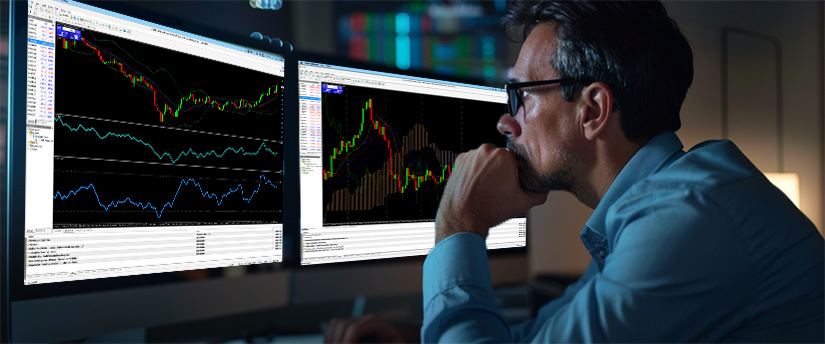
Discerning how emotions influence your trading from strategic behaviour in forex and CFD markets
The particularly tricky thing with emotional trading is that it can mask itself as smart decision-making. A fearful trader may, for instance, think that they are simply exerting more caution, while a greedy trader may simply feel like they are doing everything in their power to optimise their trading.
This is difficult to prevent, especially for new traders who haven’t yet done the work to control their emotions. However, this behaviour can become apparent if looked at after the fact.
If you recognise:
- Inconsistent results
- Increased drawdowns
- Strategy breakdown
- Emotional fatigue and burnout
You may have a problem with emotional trading. Pay specific attention to the following behaviour:
- Ignoring entry/exit rules
- Overriding risk management
- Turning small losses into larger ones
These patterns may also be followed by physical reactions. Traders often suffer from tension, restlessness, headaches, quickened breathing, or shortness of breath. These physical symptoms can be easier to recognise, but it’s important to link them to trading if that’s what’s causing them.
Spotting emotional behaviour may help you catch yourself before you make a mistake. However, simply realising you are trading emotionally isn’t enough.
Recognising Emotional Triggers in Your Trading
The next step in dealing with emotions when trading is realising what triggers them. When you are aware of what you do when you are feeling emotional, it becomes easier to backtrack and see what caused that emotion.
Common triggers include:
- Consecutive losses
- Sudden market volatility
- News events
- Missed trades
However, trading is extremely varied, and every trader is different. Anything can be a trigger, even a series of winning trades, as we discussed with overconfidence.
Be that as it may, recognising what sets you off is a crucial step in dealing with emotions. It helps you recognise when emotions may well up before they take over, creating more room between reaction and decision.
How to Manage Trading Emotions
So, once you’re able to recognise these emotions, should you just not trade when you realise you are affected by them? Sometimes. After all, avoiding a big loss is just as effective as getting a big win, albeit not as exciting.
However, there are also methods you can employ to stifle the effect of emotional impulses, keeping you in the driver’s seat and giving you more trading uptime.
It’s very important to know that these methods don’t erase these emotions; they simply give you a means to keep making rational decisions regardless of your emotional state.
Use a Structured Trading Plan
The first key step. Clear entries, exits, P/L goals, asset targets, and information sources create a benchmark you can always fall back to. Instead of wondering whether you are making the right decision, you can always ask, “Am I following my plan?”
Apply Consistent Risk Management
A lot of emotional strain comes from fear of losing. Risk management helps you set clear parameters and prepare for the maximum loss you can accept before the trade even starts. Size your positions properly, set stop losses diligently, and establish risk limits per trade, day, week, and month.
Keep a Trading Journal
Sometimes, even with all the diligence in the world, you can’t spot emotional patterns without some help. Recording your trades in a journal is that help.
Write down how you felt before, during, and after trades, along with the results and whether you followed your parameters. Over time, this will reveal common behaviour, and make it easier to correct.
Take Breaks
Your overall mental state plays a large role in emotional trading. If you’re tired or frustrated, you’re more likely to give in to negative trading patterns. If you feel like you can’t handle trading anymore, feel free to exit your positions and take a break, the markets aren’t going anywhere.
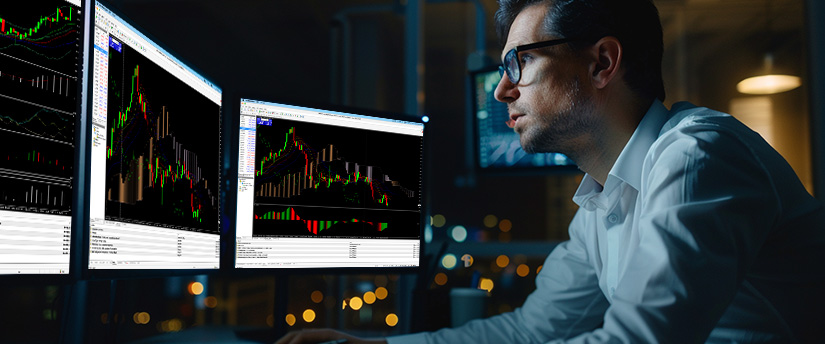
Conclusion: emotions influence your trading and it doesn’t happen overnight
Getting the better of the emotions you’ve been feeling your entire life in some form doesn’t happen in a single day. Emotions influence your trading, and learning to manage them requires patience, discipline, and consistent effort. However, if your goal is to become a consistent trader, mastering this skill is a necessary step.
Take it slow, focus on your process rather than your outcomes, and feel free to celebrate even little progress. Over time, this will help you grow into someone who can handle even the toughest market situations.
DISCLAIMER: This information is not considered as investment advice or an investment recommendation, but is instead a marketing communication.