JA
JA  EN
EN  FR
FR  ES
ES  KO
KO  PT
PT  ZH
ZH  AR
AR  FA
FA  RU
RU  NL
NL  MS
MS  VI
VI  PH
PH  TH
TH  ID
ID 

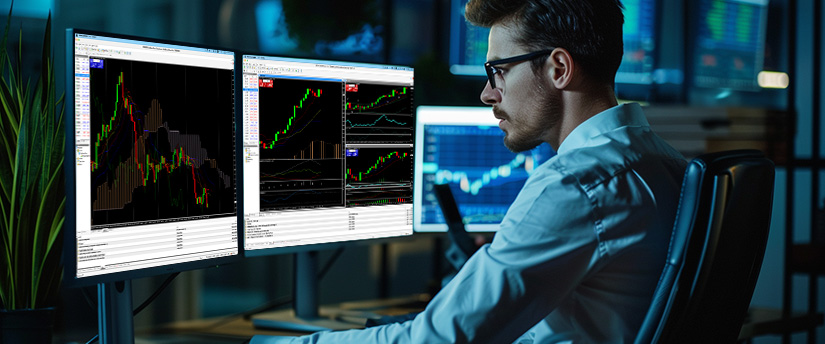
Trading is not just about charts, indicators or markets. It is equally important to understand yourself. The main challenge a trader faces is managing emotions like fear and greed rather than analysing price movement.
Reacting based on emotions can affect your judgment and your overall trading performance, making you rush or delay decisions.
Clarity, self-awareness, discipline, and structured strategies can help you trade with more confidence and make more informed trading decisions.
Why is fear involved in trading?
Being afraid when trading does not show weakness but human instinct. The human brain is structured in such a way to avoid losses and protect one’s capital from bigger risks.
In the 金融市場, this can be translated into hesitating to enter a trade, panicking if prices move against you or even exiting a winning trade too early out of fear of reversing.
This feeling of fear leads to second-guessing even well-thought trades, preventing traders from sticking to their strategy. Loss aversion is another common emotion spotted in trading. It refers to the idea that the pain you feel when losing is stronger than the excitement of winning.
As a result, a lot of traders feel stuck when a trade goes in the opposite direction and hope that it will turn around. Fear tends to result from how emotionally traders react to instability and risk, specifically when your capital is at stake.
How do greed and FOMO affect trading?
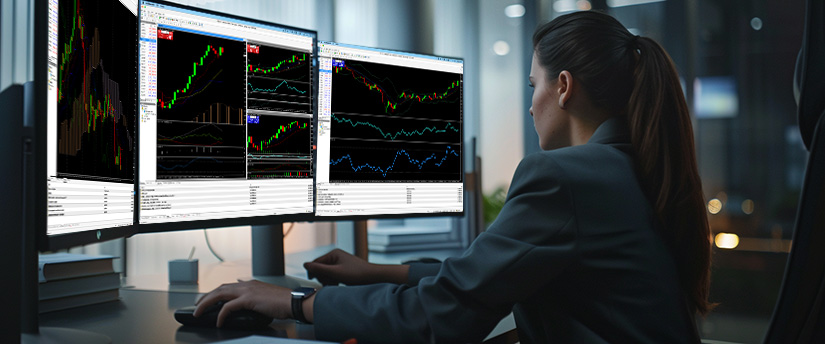
As discussed, fear is just one common emotion in trading. There is also greed, which can be equally damaging. It appears when traders add extra funds to a position so as to generate more revenue. This, however, might lead to overtrading, risking more than you can afford and entering the market out of excitement instead of logic.
FOMO, or fear of missing out, is also common when trading. It happens when forex traders make impulsive trades because they are afraid of losing a big move or because others made money. Rather than following their strategy, they choose trades that are not included in their plan.
All emotions mentioned above can affect your discipline and trading decisions as you go.
Do you recognise what triggers your trading emotions?
Knowing and understanding your emotions is the first step in ‘fighting’ fear and is very important when trading. This involves recognising if you hesitated before entering a trade even with a clear setup based on your plan, if you exited successful trades too soon because you were afraid of losing money as well as if you added extra money to losing positions hoping they will reverse.
If you manage to identify what emotional tendencies you have, you can realise how these emotions affect your decisions. You will also be able to take the necessary steps to correct them.
Building a solid trading plan
Trading with a clear plan can be the most effective step towards reducing fear when trading.
Clear entry and exit criteria, defined risk management rules, position size guidelines and expected profit and loss targets should be included in your plan. Once you know the exact reasons why you are trading, there will be less uncertainty and fewer emotional reactions.
Without a structured plan, traders are more likely to make emotional decisions rather than logical ones. This can often lead to inconsistency in trading results.
Your plan will stop you from making impulsive decisions when the market moves unexpectedly. By following clear rules, you can focus on stable and longer-term results.
How does risk management help in trading?
Fear and losing money are usually interconnected. One of the most effective ways to minimise fear is by using techniques to manage risk. Knowing the worst-case scenario prior to entering a trade, can help you accept potential losses and avoid emotional decisions more easily.
Setting stop-loss orders to automatically exit a trade at a set level helps limit losses. Using take-profit orders to lock in profits when a trade reaches your target can prevent emotional decision-making.
Risking only a small percentage per trade, like 1-2% of your total capital on a single trade can help you manage potential losses while keeping fear in check. If you manage to define and limit risk, you can make clearer decisions since you will not be worried about any sudden big losses.
Practice trading before going live
Whether you are new to trading or an experienced trader, fear tends to derive from the pressure of risking your actual money. To avoid this and become confident or limit fear you can use a demo trading account before switching to a live account.
A demo account will let you test your strategy without any financial consequences. As you grow your experience and your strategies start working under various circumstances, your confidence and emotional control will grow, too.
Likewise, you can start trading with small positions on your normal account. As you become more and more confident, you can gradually increase the size of your position.
This can also reduce the emotional impact of market movements and can help you remain disciplined.
Focus on the trading process rather than chasing profits
Another common reason why fear takes over when trading is because traders focus on the outcome rather than the process. When thinking about how much you will make on a certain trade, fear can take over.
What you can do instead, is focus on whether you followed your plan. Performance is usually measured by the quality of their decisions and not by an individual trade’s results.
Focusing on the process, including planning your trades, managing risk and following your rules, can help remove emotions from either profits or losses and enhance long-term consistency instead.
Keeping a trading journal
Keeping track of your trades and your emotions is a strong way to spot patterns in your performance. Your trading journal will not only include numbers but also your mindset before, during and after trading. In the long term, you will be able to tell how emotions affected your decisions and make conscious changes to your plan.
Try to include in your journal the reasons why you entered a trade, the signals or type of analysis you used, the feelings you experienced while trading, whether you stuck to your strategy, the results of your trade as well as the things you would do differently the next time.
Master your emotions to trade smarter
Keeping your emotions in check is very important in trading and routine can help. There are very simple techniques like breathing, meditating or taking short pre-trade breaks to calm your mind and reduce emotional decisions.
Regularly reviewing your plan, keeping up to date with economic calendars and practising discipline can help you stick to your strategy even when markets do not move in your preferred direction. Most importantly, you have to accept that losses are part of the trading journey and that you can manage fear.
結論
Fear is a natural part of trading and human psychology and cannot disappear just because you want it to. However, you can always manage it.
A lot of traders realise that once their experience grows, their plan is stronger and emotional control is well-tested, fear becomes an indication rather than an obstacle.
Fear is what can make you review your trades, ensuring you stick to your plan and rules rather than acting impulsively.
DISCLAIMER: This content is for general informational and educational purposes only and should not be considered investment advice or investment recommendation.